
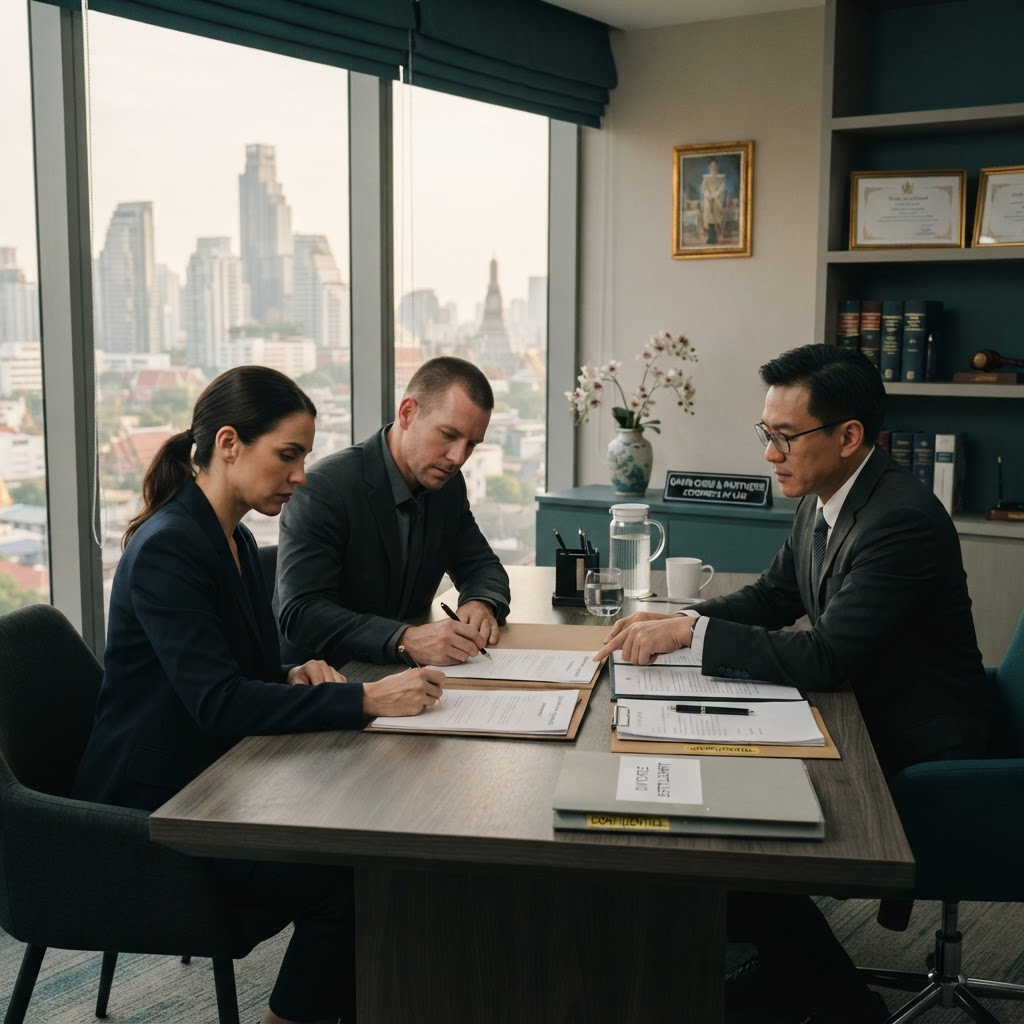
If you are a U.S. citizen married to a Thai national — or another foreign national — and your marriage has broken down, you may be wondering whether you can legally obtain a divorce in Thailand.
The answer is yes. Thailand allows foreign nationals, including U.S. citizens, to divorce under Thai law if certain legal requirements are met. Depending on your circumstances, your divorce may be completed through a simple administrative procedure or through the Thai Family Court.
This comprehensive guide explains the legal process, your rights, and the key issues you should understand before filing for divorce in Thailand.
Can a U.S. Citizen Get Divorced in Thailand?
Yes.
U.S. citizens can legally divorce in Thailand regardless of whether they live in Thailand or overseas, provided the Thai courts or administrative authorities have jurisdiction over the marriage.
Thailand recognizes two primary forms of divorce:
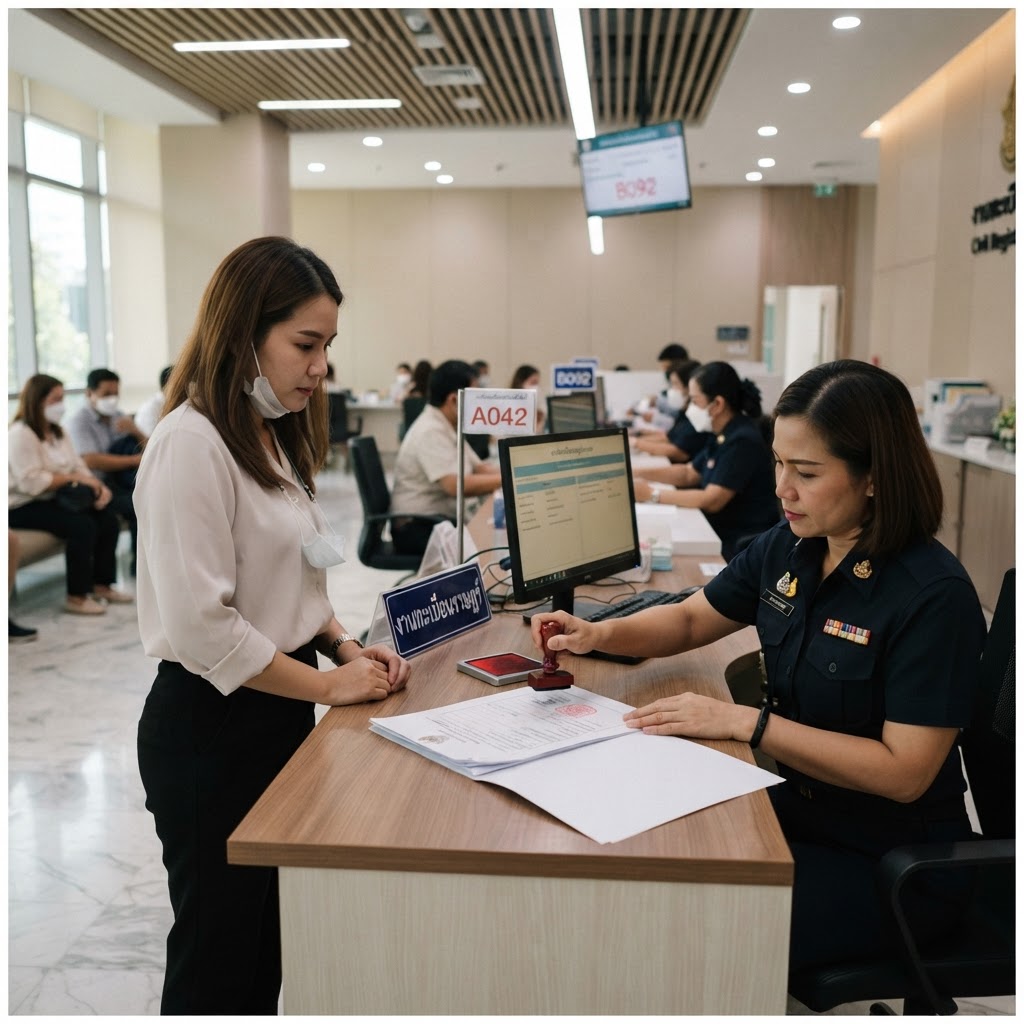
- Administrative Divorce (Uncontested Divorce) — registered at the District Office (Amphur).
- Court Divorce (Contested Divorce) — decided by the Thai Family Court.
The appropriate procedure depends on whether both spouses agree to divorce and whether there are disputes regarding children, property, or financial support.
Who Can File for Divorce in Thailand?
You may be eligible to file for divorce in Thailand if:
- Your marriage was registered in Thailand.
- One or both spouses are living in Thailand.
- The Thai court has jurisdiction over your case.
- The marriage has a sufficient legal connection to Thailand.
Even if you were married outside Thailand, it may still be possible to file for divorce in Thailand depending on the circumstances.
Uncontested Divorce in Thailand
An uncontested divorce is the quickest and least expensive option.
Both spouses must agree on:
- Dissolution of the marriage
- Division of marital property
- Child custody
- Child support
- Other financial matters
If the marriage was registered in Thailand and all legal requirements are satisfied, the divorce can usually be completed at the District Office on the same day.
Contested Divorce in Thailand
If one spouse refuses to divorce or the parties cannot agree on important issues, the case must proceed through the Thai Family Court.
Common legal grounds include:
- Adultery
- Desertion
- Domestic violence
- Serious misconduct
- Failure to financially support a spouse
- Imprisonment
- Long-term separation
- Mental illness in circumstances recognized by law
- Other legal grounds under the Thai Civil and Commercial Code
The court will review evidence before granting the divorce.
Property Division Under Thai Law
Thailand distinguishes between two categories of property:
Personal Property (Sin Suan Tua)
Generally includes:
- Property owned before marriage
- Personal gifts
- Inheritance received individually
- Personal belongings
This property usually remains the owner's separate property.
Marital Property (Sin Somros)
Generally includes:
- Income earned during marriage
- Joint savings
- Real estate purchased during marriage
- Businesses acquired during marriage
- Investments accumulated during marriage
The division of marital property depends on the facts of each case and any applicable agreements between the spouses.
Child Custody
When children are involved, the court's primary concern is the best interests of the child.
Factors considered include:
- Emotional relationship with each parent
- Financial stability
- Education
- Healthcare
- Living arrangements
- Parenting ability
- Overall welfare of the child
Parents may also agree on custody arrangements through a written settlement.

Child Support
Thai courts may order child support based on:
- The child's needs
- Educational expenses
- Medical costs
- Living expenses
- Each parent's financial ability
Child support obligations continue according to Thai law and the specific court order.
Required Documents
Typical documents include:
- Passport
- Marriage Certificate
- Birth Certificates of children
- Thai ID Card (where applicable)
- House Registration
- Prenuptial Agreement (if any)
- Property ownership documents
- Financial records
- Evidence supporting the grounds for divorce
Foreign documents generally require certified Thai translation and legalization or Apostille, depending on the issuing country and intended use.
How Long Does Divorce Take?
Uncontested Divorce
Usually completed within one day once all required documents are available.
Contested Divorce
Typically takes 6–18 months, depending on:
- Court schedule
- Number of hearings
- Complexity of the dispute
- Availability of evidence
- Settlement negotiations
Will My Thai Divorce Be Recognized in the United States?
In many cases, yes.
Recognition of a Thai divorce depends on the laws of the U.S. state where the divorce will be relied upon. Each state has its own rules regarding the recognition of foreign divorce judgments.
If recognition in the United States is important, you should obtain legal advice regarding the applicable state law.
Do I Need to Travel to Thailand?
Not necessarily.
Some legal procedures may be completed through a valid Power of Attorney, while others — particularly certain court hearings or administrative registrations — may require your personal attendance.
An experienced Thai divorce lawyer can advise you based on your specific circumstances.
Why Hire a Thailand Divorce Lawyer?
International divorce cases often involve multiple legal systems, language barriers, and cross-border property issues.
An experienced lawyer can:
- Assess your legal rights
- Prepare all legal documents
- Represent you in negotiations and court
- Protect your financial interests
- Assist with child custody matters
- Coordinate international legal issues
- Help enforce court orders
Professional legal representation can significantly reduce delays and avoid costly mistakes.
Frequently Asked Questions
Can an American divorce a Thai spouse in Thailand?
Yes. U.S. citizens may obtain a divorce in Thailand if the legal requirements are satisfied.
Can foreigners own property after divorce?
Ownership depends on Thai property laws and whether the assets are classified as personal or marital property.
How much does divorce cost?
Costs vary depending on whether the divorce is uncontested or contested and the complexity of the case.
Can I file for divorce while living overseas?
In some cases, yes. A Thai lawyer may be able to assist you through a Power of Attorney or represent you during certain stages of the proceedings.
Contact Nathee Legal
If you are a U.S. citizen seeking a divorce in Thailand, obtaining experienced legal advice at an early stage can help protect your rights and simplify the legal process.
Nathee Legal provides legal assistance for:
- Uncontested Divorce
- Contested Divorce
- Child Custody
- Child Support
- Property Division
- Prenuptial Agreements
- International Family Law
- Recognition of Foreign Divorce Judgments
Our experienced family lawyers assist U.S. citizens and international clients throughout Thailand with practical, confidential, and professional legal services.
Contact Nathee Legal today to schedule a confidential consultation with an experienced Thailand divorce lawyer.